
Ocean exploration is the study and discovery of the ocean and everything it holds, from tiny plankton to the deepest trenches on Earth. Even though oceans cover more than 70% of our planet, we have only explored about 5% of them! That means most of the underwater world is still a mystery, waiting to be uncovered by the next generation of explorers.
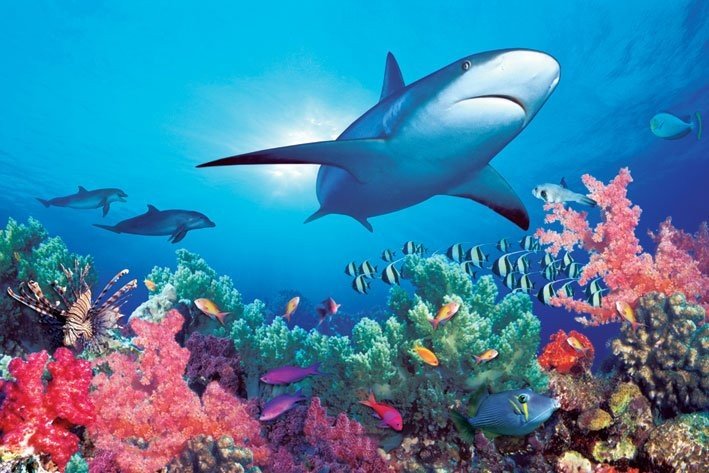
Exploring the ocean helps us better understand our planet. It provides food, medicine, and resources, and also helps scientists track climate change. Oceans even produce more than half of the oxygen we breathe. Without healthy oceans, life on Earth wouldn't survive.
Surprising Facts About the Ocean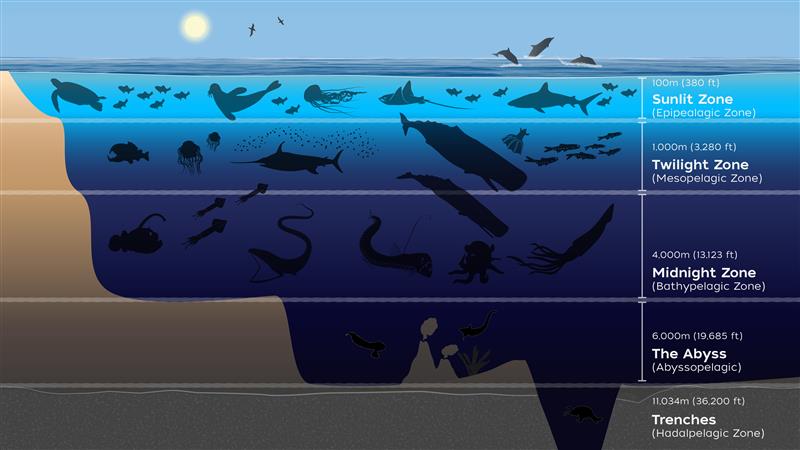
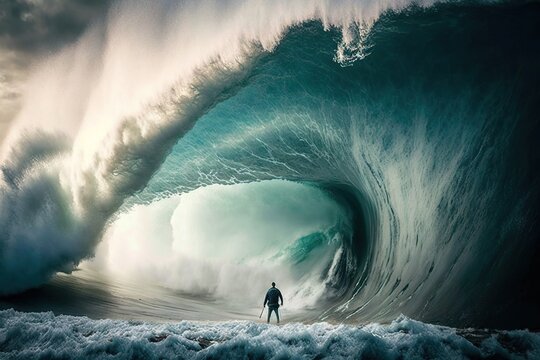
The ocean isn't always calm, it can unleash powerful natural events. Rogue waves can appear out of nowhere, towering higher than skyscrapers. Underwater volcanoes shape the seafloor and sometimes create entirely new islands. Tsunamis, caused by earthquakes or eruptions, can travel across oceans at jet-like speeds, reshaping coastlines in hours. These extreme events show just how powerful and unpredictable the ocean really is.
Ocean exploration is one of the most exciting frontiers of science. With new technology and curious minds, we continue to uncover the secrets hidden beneath the waves. The ocean holds answers to questions we haven't even thought to ask yet, and the next great discovery could be just one dive away.
