
When we think about love, we usually think about people. But in biology, love shows up in different ways, like through care, protection, and survival. Even though animals can not write poems or send texts, many species can still show strong bonds and responsibility toward each other. Scientists study these behaviors to understand how care helps species survive.
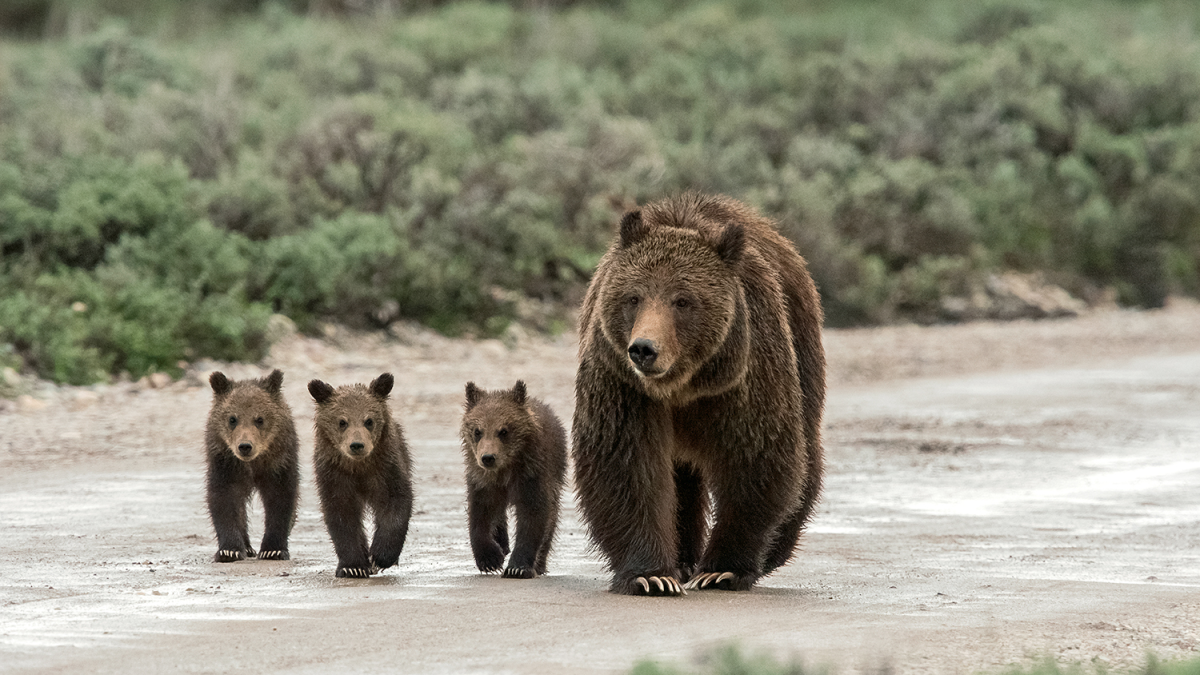
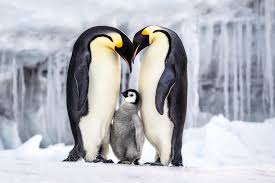
Parental Care in the WildIn many species, parents invest huge amounts of time and energy into their offspring.
Examples:
From a scientific perspective, this is called parental investment. The more care parents give, the higher the chances their offspring survive.
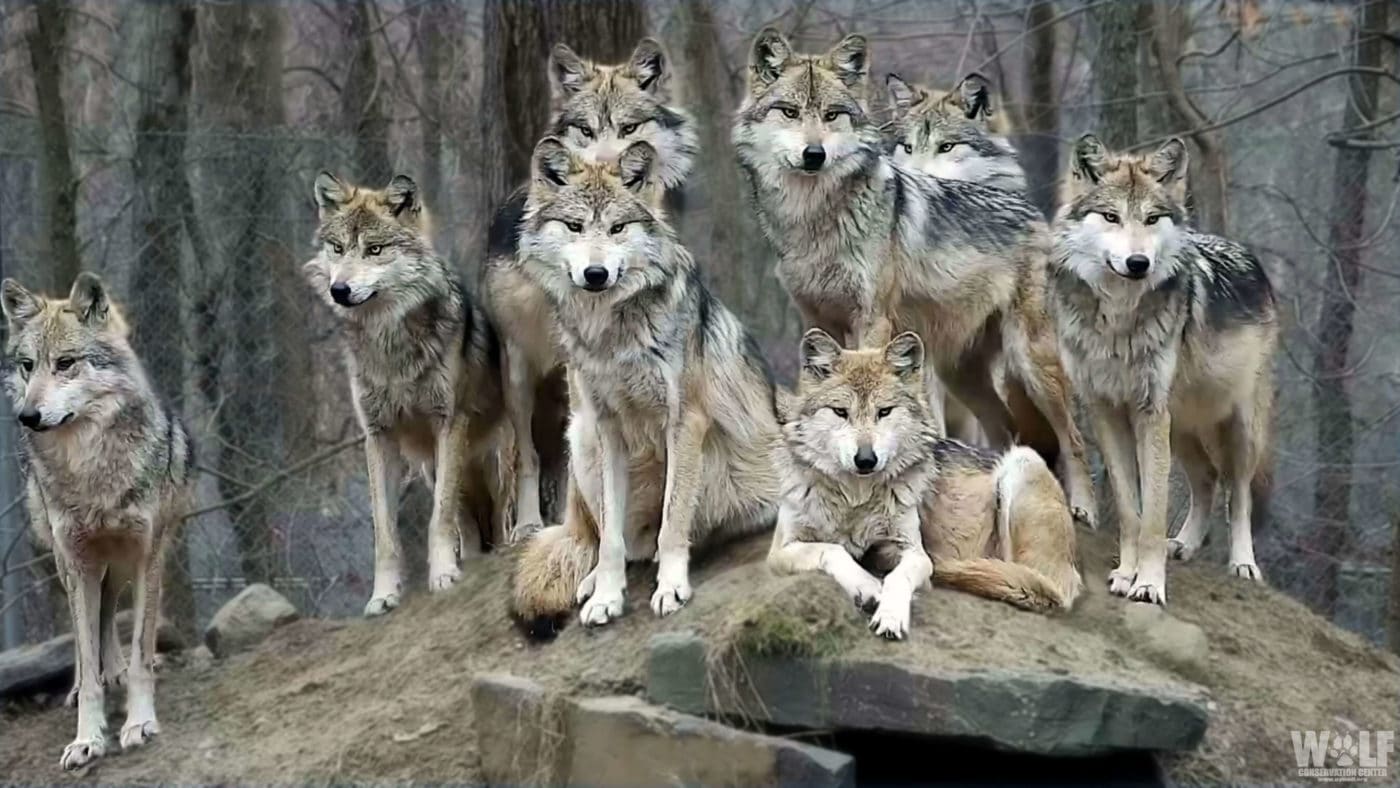
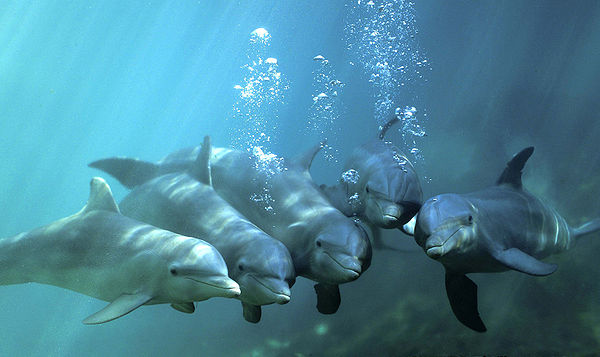
Some animals don't just rely on parents, they rely on groups.
This behavior is called cooperation, and it increases survival for everyone involved. When animals work together, they are more likely to find food and stay safe.
Biologists explain these behaviors through evolution.
Even hormones play a role. For example, oxytocin (the same bonding hormone in humans) has been found in other mammals and supports attachment and caregiving behaviors.
So what looks like "love" is actually part of a biological system designed to keep species alive.

Understanding care in animals helps scientists:
Finally, love in biology isn't dramatic, it's practical. It's about protection, connection, and survival. Also, the fact that so many species show these behaviors proves that care isn't just emotional, it's essential.
